
An Epic Journey Through Australia’s Red Centre: From Alice Springs to Uluru-Kata Tjuta National Park
12/28/20258 min read
Introduction to the Red Centre
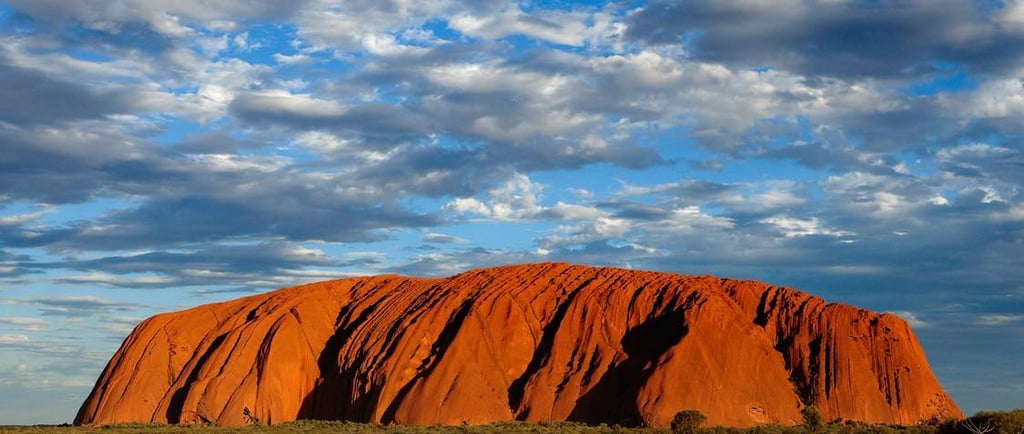
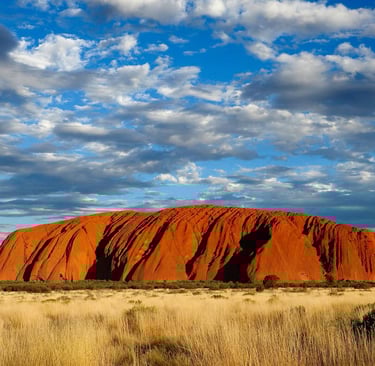
The Red Centre of Australia is a region steeped in natural wonder and cultural significance, drawing travelers from around the globe to experience its unique allure. This geographical area, centered on the remote towns of Alice Springs and Uluru, features striking landscapes characterized by vast deserts, dramatic rock formations, and vibrant sunsets that seem to set the very earth ablaze.
One of the most iconic landmarks within this region is Uluru, also known as Ayers Rock, which is a UNESCO World Heritage site. This enormous sandstone monolith rises majestically from the flat surrounding plains and is sacred to the Anangu people, the traditional custodians of the land. Uluru’s cultural importance is magnified by the rich Indigenous heritage that thrives in the area, with numerous stories woven into the fabric of its history, making it a vital stop for those seeking a deeper understanding of Australia’s diverse cultures.
In addition to its breathtaking landscapes, the Red Centre boasts a remarkable range of wildlife adapted to the arid climate. Visitors may encounter unique species such as kangaroos, emus, and various reptiles, each contributing to the region's ecological diversity. This remarkable area provides an outstanding opportunity to observe these animals in their natural habitats, further enhancing the travel experience.
The Red Centre is not only about its stunning geography and wildlife; it is also an invitation to embark on an adventure filled with opportunities for exploration and discovery. Whether by car, guided tour, or on foot, travelers can delve into the heart of this iconic Australian landscape, experiencing the sense of wonder that accompanies such a journey.
Planning Your Trip: Routes and Best Times to Visit
When embarking on a trip to Australia’s Red Centre, particularly the route from Alice Springs to Uluru-Kata Tjuta National Park, travelers are presented with two primary options: the Red Centre Way loop and the longer sealed route. The Red Centre Way offers a unique experience, allowing for the exploration of various stunning sights along the path, including Kings Canyon and the West MacDonnell Ranges. This scenic drive typically takes around 5-7 days, providing ample time to absorb the beauty and majesty of the Australian outback. In contrast, the longer, sealed route is a more direct path, taking approximately 4-5 hours non-stop to reach Uluru. However, this option may limit some of the extraordinary experiences available along the way.
Alongside the choice of route, it is crucial to consider the best times of year to visit the Red Centre. Due to its desert environment, summers in this region can be intensely hot, with daytime temperatures often exceeding 40°C (104°F). As such, the optimum time to explore the area is during the cooler months, from April to September, when temperatures are much more manageable. Additionally, travelers should take into account local events such as the annual Camel Cup in Alice Springs and the Uluru Camel Tours, which can enhance the experience. Tourist traffic is generally heavier during school holidays and peak tourist season, so planning visits outside these periods may provide a more tranquil experience.
This combination of understanding the routes and timing is essential for anyone wishing to make the most of their journey through this iconic Australian landscape. Careful planning will ensure that the trip from Alice Springs to Uluru-Kata Tjuta National Park is both memorable and enjoyable, allowing travelers to appreciate the unique beauty and cultural significance of the Red Centre.
Must-See Stops Along the Journey
Embarking on a journey from Alice Springs to Uluru-Kata Tjuta National Park offers an array of breathtaking attractions that encapsulate the beauty and cultural significance of Australia’s Red Centre. One of the first stops is the stunning MacDonnell Ranges. This majestic range stretches for hundreds of kilometers and features a dramatic landscape of steep cliffs, gorges, and pristine waterholes. Visitors can engage in various activities such as hiking, rock climbing, and swimming in the cool waters of spots like Simpsons Gap and Ormiston Gorge, making it an essential part of the journey.
Continuing along the route, the journey leads to Kings Canyon, a striking landmark renowned for its towering sandstone walls and lush, sheltered gardens. The Rim Walk is a popular activity here, providing awe-inspiring views of the canyon and the surrounding desert landscape. The rich geology and history of Kings Canyon also offer visitors insight into the cultural significance of the area, especially for the local Indigenous communities.
No trip to the Red Centre would be complete without witnessing the iconic rock formations of Kata Tjuta, also referred to as the Olgas. This unique group of large, domed rocks is a sacred site for the Anangu people. The Valley of the Winds Walk allows visitors to immerse themselves in the remarkable flora and fauna, as well as gain appreciation for the ancient geology. Each of these stops along the way conveys not only breathtaking natural beauty but also cultural narratives that enhance the traveler's experience in this enchanting region.
The Thrill of off road Riding in the Outback
Exploring Australia’s Red Centre offers an unrivaled sense of adventure, particularly through the thrill of off road riding in the rugged outback terrain. Traveling off road allows visitors to access remote areas that conventional vehicles cannot reach. The freedom to navigate unsealed roads, river crossings, and rocky landscapes enhances the potential for discovery, providing an intimate connection to the breathtaking natural beauty of the surroundings.
When considering a off road vehicle, it is essential to familiarize yourself with the specific challenges presented by the outback's terrain. It is advisable to enhance your riding skills in advance, especially when traversing sand dunes or sudden inclines. One helpful tip for navigating such areas is to maintain momentum while riding ; this can prevent getting stuck and ensure a smooth passage over difficult sections. Additionally, plan your routes carefully and consult local resources for updated information on road conditions.
Safety precautions are paramount while off road riding in remote regions. Always carry sufficient water, food supplies, and a first aid kit, as access to help may be limited. Ensure your vehicle is fully equipped with a spare tire, recovery gear, and a reliable navigation system, whether using a GPS device or offline maps. Inform someone about your travel plans and expected return time, particularly when venturing into lesser-known areas. This provides a layer of security should any unforeseen circumstances arise.
Certainly, the exhilarating experience of off road riding not merely hinge on the adventure aspect, but also on the sense of freedom it provides. The opportunity to explore at your own pace allows for spontaneous detours and impromptu stops at breathtaking sites. This unique riding experience presents a remarkable way to embrace the essence of the outback, unveiling the stunning landscapes and vibrant wildlife that are hallmarks of Australia’s Red Centre.
Cultural Experiences and Indigenous Heritage
The Red Centre of Australia is not only renowned for its breathtaking landscapes but also for its profound connections to Indigenous cultures. This region serves as a living tapestry woven with rich stories, traditions, and art forms that reflect the identity of the Indigenous peoples who have called this land home for tens of thousands of years. For those seeking a deeper understanding of this heritage, there are numerous opportunities for cultural immersion.
One of the most enriching experiences available to visitors is guided tours led by Indigenous elders. These knowledgeable guides share their wisdom, recounting traditional stories that speak to the significance of various sites and dreams associated with the land. Engaging directly with these custodians of culture fosters a connection that transcends mere sightseeing. It is imperative, however, that visitors approach these experiences with respect and sensitivity, acknowledging the spiritual significance of the places they visit.
Art exhibitions present another avenue through which to appreciate Indigenous heritage. Various galleries and art centers exhibit artworks that encapsulate stories, culture, and perspectives unique to the artists. From vibrant paintings to intricate carvings, these works not only provide insight into the Indigenous worldview but also serve as a medium for storytelling and education. Many of these artists draw inspiration from the surrounding landscapes, thereby connecting their artwork to the very essence of the Red Centre.
Furthermore, traditional storytelling sessions allow for an intimate glimpse into the belief systems and values upheld by Indigenous communities. These narratives carry deep meanings, often addressing themes of connection to the land, spirituality, and sustainability. By participating in these sessions, visitors can better comprehend the cultural fabric of the Red Centre and the enduring relationship between the Indigenous peoples and their environment.
Activities to Experience at Uluru-Kata Tjuta National Park
Uluru-Kata Tjuta National Park is a breathtaking destination that offers visitors a uniqueness in both natural and cultural experiences. Among the myriad activities available, guided walks take precedence as they provide an unparalleled opportunity to learn about the landscape while being led by knowledgeable local guides. The base walk around Uluru is particularly popular, allowing guests to appreciate the rock's grandeur up close while understanding its geological formations and the intricate stories it embodies for the Anangu people.
Sunrise and sunset viewing at Uluru are must-do activities for anyone visiting the park. The changing light conditions dramatically alter the rock's hues, delivering a breathtaking spectacle best enjoyed from designated viewing areas. These moments present not only picturesque views but also emotional experiences, as many visitors recount feeling a deep connection to the land during these magical hours. Photographers often find this aspect captivating, creating stunning visual narrations that reflect both the cultural and natural wonders of this sacred site.
Another popular activity is stargazing, which reveals the expansive Southern Hemisphere sky. With minimal light pollution, the clarity during the night allows for incredible views of stars, planets, and the Milky Way. Many visitors partake in guided stargazing sessions, where experts share insights about the cosmos and Aboriginal astronomy, enhancing the connection to the region’s rich cultural heritage.
Additionally, engaging with the spiritual significance of Uluru is vital for visitors. Cultural experiences such as storytelling sessions and art workshops held by local Indigenous artists offer profound insights into the traditions and beliefs tied to this magnificent natural monument. By approaching these activities with respect and an open heart, visitors can more deeply appreciate the fundamental relationship between the land and its original custodians.
Travel Tips and Essential Information
Traveling through Australia’s Red Centre offers a unique opportunity to experience the stark beauty of the Australian outback. However, to make the most of your journey from Alice Springs to Uluru-Kata Tjuta National Park, it is essential to be well-prepared. Here are some travel tips and vital information to ensure a safe and enjoyable experience.
First, consider your accommodation options. There are various choices available, ranging from hotels and motels in Alice Springs to camping sites close to Uluru. If you prefer a more immersive experience, staying in a lodge or eco-resort can provide a deeper connection to the stunning surroundings. Make sure to book your accommodations in advance, especially during peak tourist seasons.
When it comes to supplies, carry plenty of water, as Australia's outback can be extremely arid and hot. Non-perishable snacks and a first-aid kit are also recommended to ensure you are prepared for any situation while on the road. Additionally, a reliable map or GPS device will aid in navigating the often remote areas.
Health and safety are paramount in this rugged landscape. It is advisable to check for any potential wildlife encounters and respect local regulations. Ensure you have proper sun protection, including sunscreen and hats, as the sun's rays can be intense. Furthermore, if you plan to hike, inform someone about your itinerary and expected return.
Lastly, practicing responsible travel is crucial. Respect Indigenous cultures and sacred sites by following guidelines provided by local communities. Minimize your environmental impact by adhering to the Leave No Trace principles, ensuring that this breathtaking part of Australia remains preserved for future generations.

Tours
Experience guided motorcycle tours across beautiful Australia.
Adventure
Explore
+61-0428 676 684 or+61-0484 645 091 info@motorcycletoursaustralia.com
© 2024. All rights reserved.